
Common Mistakes To Avoid When Storing Your Boat For The Winter
December 8, 2025
Every winter can bring its share of problems, but the worst are often felt by boat owners. That’s because winter storage leaves no room for error. When moisture slips inside or water freezes in the engine, small oversights can turn into expensive damage. Some boat owners rush through the process or rely on guesswork instead of following the owner’s manual. Using the right winter storage covers, replacing engine oil, and draining every vulnerable system takes time, but it matters. A quality customer boat cover helps seal out the worst of the cold weather so your boat remains safe and ready for the next boating season.
Why Proper Winter Storage Is Crucial For Winnipeg Boat Owners
Winnipeg’s brutal winter weather pushes boats to their limits. Cold air seeps into overlooked spaces. Moisture settles deep inside the boat’s interior. Damage builds fast when a boat isn’t prepped for the long off-season. In this climate, skipping steps during winterizing your boat can cause real damage, from cracked water systems to mould creeping through cabin walls.
Neglecting Thorough Cleaning
Failing to clean thoroughly leaves behind moisture or debris that can quietly damage surfaces inside your boat during the off-season.
Exterior Cleaning Oversights
During the final wash before storage, many owners overlook small but important steps that impact protection. Many boat owners will mistakenly use the wrong cover after a rushed rinse, trapping salt, grime, or residue against the surface. This buildup freezes, expands, and dulls the finish. Failing to clean around hardware allows corrosion to spread under the radar. You can avoid this with a thorough rinse, followed by the right cover, which ensures the hull stays protected through the cold months ahead.
Interior Cleaning Mistakes
Interior prep often feels complete after a quick wipe-down, but there are many missed spots that can lead to serious problems. For instance, moisture tucked beneath cushions or left behind on vinyl allows mould and mildew to take hold during storage. Using the wrong cleaner breaks down material faster in fluctuating temperatures. Lift every cushion, dry hidden seams, and use marine-safe products to prevent mould and protect fabrics through winter storage.
Improper Engine Winterization
Cutting corners during proper maintenance can quietly ruin your engine. What looks fine now can fall apart once your boat for winter sits through months of deep cold.
Forgetting To Drain Water From The Engine
Water left inside the engine will expand when temperatures drop. Cracks form in places you can’t see, and those weak points spread under snow and ice. Once spring hits, the damage surfaces all at once. Draining every line before storage gives your engine a clean slate and keeps it in good shape for when summer returns.
Failing To Use Antifreeze Properly
Antifreeze reaches the spots that are draining alone and can’t be touched. Without it, water settles in low points where it quietly freezes and damages internal parts. Using too little or applying it incorrectly leads to gaps in coverage. Those small gaps often cause the most harm.
Inadequate Moisture Protection
When moisture lingers inside a stored boat, it creates the perfect environment for mould, rust, and internal decay. Over time, this hidden buildup can wreak havoc on key systems and cause serious damage. One of the most common mistakes is skipping proper ventilation or leaving the boat uncovered. By focusing on airflow and using a breathable cover, you take proactive steps to block the elements and lower the risk.
Ignoring Battery Care
Cold temperatures slow chemical reactions inside a battery, which lowers capacity and increases the risk of a full drain. If the battery remains connected, even small electronics can pull enough power to cause damage. Moisture around the terminals increases the chance of corrosion. To reduce the risk, charge the battery fully, disconnect it, and store it in a dry, covered space away from areas that may freeze or collect rain.
Incorrect Covering Techniques
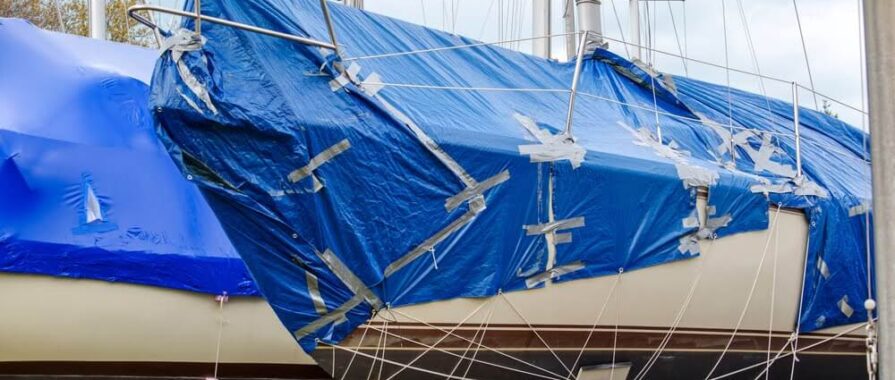
Covering a boat the wrong way during the winter months leads to moisture buildup, surface damage, and unnecessary cost. Many owners use travel covers or tarps that aren’t built to handle winter weather. These materials sag under snow and allow water to collect. Gaps in coverage let the elements inside, especially when the fit is too loose. Choosing high-quality winter storage covers early and securing them properly reinforces the importance of planning ahead for the long run.
Neglecting Fuel System Maintenance
Ethanol in fuel attracts moisture, which causes buildup, phase separation, and corrosion. As this happens, internal parts wear out silently. Start by adding a stabilizer and run it through the system. Once treated, turn off the engine and store the tank properly. Waiting too long causes more harm and long-term problems.
Storing With Full Water Tanks
Leaving tanks full during storage traps moisture in the system and increases the chance of freezing. Some boat owners overlook this step while preparing their boat for the winter, but water left behind adds weight, raises pressure, and sets the stage for structural damage when temperatures drop.
Risks Of Freezing And Bursting
The main point to remember is that water expands when it freezes, which places intense pressure on tanks and plumbing. This force weakens seams and often breaks fittings apart. As ice spreads, it reaches into the boat’s interior, especially when early snow begins to melt and seep through gaps. These small openings allow moisture to linger and create buildup. Over time, that moisture promotes corrosion and interior leaks.
Proper Draining And Antifreeze Usage
Start by draining every water source, including tanks, heads, and floor drains. Once drained, flush the system with marine antifreeze to quickly remove lingering moisture. Propylene glycol is used in drinking water lines and as a corrosion-resistant formula for the engine. Antifreeze reduces the risk of freezing by lowering the liquid’s freezing point. Be sure not to forget this step in winterizing your boat, which helps block rust, system failure, and waterline cracks.
Insurance Oversights
In Winnipeg, failing to update your policy before the winter months increases risk exposure while your boat sits vulnerable during this season.
Not Updating Your Policy For Winter Storage
Some boat owners assume insurance doesn’t matter during off-season storage, but Winnipeg’s unpredictable freeze-thaw cycles bring real exposure. Snow, ice, and falling branches can break shrink wrap or damage hulls. Without updated coverage, these incidents may go uncovered. Remember to reach out early. Don’t wait until spring to check your policy. The importance of year-round protection often shows up too late.
Misunderstanding Storage Location Impact On Coverage
Where you store your boat affects liability and claim eligibility. In Winnipeg, outdoor storage brings more exposure to the elements, and some storage facilities require active policies. Homeowners’ insurance often won’t cover larger watercraft, even if they’re covered with shrink wrap. Be sure to read through your policy terms before the winter months, so you can stay clear of surprises when summer returns.
Ensuring A Smooth Spring Launch: The Payoff Of Proper Winter Storage
Proper winter prep pays off when spring arrives. Staying protected through the winter months requires more than just shrink wrap. Explore boat insurance with Nation West, a trusted Winnipeg provider that helps boat owners stay covered during storage and when on the water.